
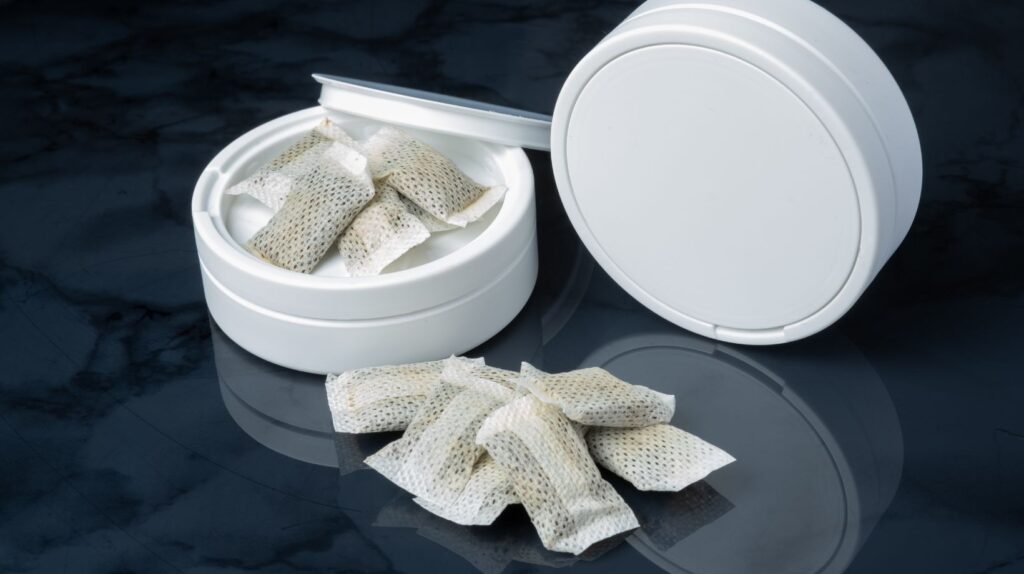
In a shared office kitchen in Manchester, someone passes a colleague a tiny white pouch. It is not chewing gum, not a mint, not anything most British workers grew up seeing. It sits under the lip, delivers a hit of caffeine and leaves no cup, can or bottle in sight. Within a week, half the team is asking where to get them.
A Scandinavian habit without slogans
The story of the caffeine pouch in the UK starts far from boardrooms and brand decks. The format grew out of Scandinavian pouch culture, but the caffeine-only twist arrived here with almost no banner ads, poster campaigns or launch events. Instead, it came tucked in the pockets of Nordic students, consultants and hospitality staff who already knew the format and treated it as a completely normal part of their day.
One of the more telling details is how often the first encounter happens in liminal spaces rather than shops. Co-working desks, backstage areas at music venues, production trucks on live broadcasts and long train journeys have all become quiet points of introduction. People trade one or two pouches, explain how they work, and only later does a search to buy caffeine pouches follow on a phone or laptop, usually during a lull between meetings.
Observers note that many UK users now skip the hunt in physical shops entirely and go straight to specialist sites, where they can find caffeine pouches at Snusfree as part of a growing universe of niche functional products.
Word of mouth in micro communities
Unlike the energy drink boom, which arrived with logos on racing cars and football kits, caffeine pouches have moved through much smaller circles. Production crews, coders, long-haul drivers and shift workers pass them along as a kind of insider tool for staying alert without adding more clutter to the desk. For many, the appeal is practical rather than glamorous; the tins are stackable, subtle and survive being thrown into a backpack.
A less obvious twist in their journey is how they piggybacked on other media habits. After late-night matches or tournaments, fans searching for new ways to stay focused during long viewing sessions began swapping tips in the same threads where they discussed new apps and sports streaming platforms. Caffeine pouches appeared there as another part of the home set-up, mentioned alongside chairs, screens and headphones rather than as a standalone craze.
As these micro communities compared notes, a loose consensus formed about preferred strengths, flavours and brands. None of this required a traditional marketing budget; short clips, forum posts and casual recommendations did the heavy lifting, while search terms like buy caffeine pouches quietly crept into shopping histories.
From carry on item to daily routine
Travel has also given the format surprising momentum. Business travellers, touring crew members and frequent conference-goers discovered that tins of pouches pass easily through airport security and pack neatly into laptop bags. Once they became a staple of hand luggage, the leap into everyday desk drawers and car glove compartments was almost inevitable for those same adults back home.
This travel link has fed back into how people organise their wider routines. For readers interested in pairing on-the-go essentials with smarter travel planning, guides to home-and-away organisation tools often now mention compact caffeine options in the same breath as power banks and noise-cancelling headphones. The pouch becomes another small object that smooths a long day, rather than a headline product in its own right.
Today, someone choosing to buy caffeine pouches in the UK is likely stepping into a story already in motion, one written in office kitchens, airport lounges and group chats rather than advertising agencies. The format’s quiet rise shows how certain habits can spread sideways through everyday contact, until something once unfamiliar becomes just another part of the modern work bag.